Easy-to-miss details
Quantity, set, condition, and variant compete with the rest of the invoice while an employee is moving between storage boxes.
Featured build · Product case study
In DevelopmentA safer picking workflow for a trading-card shop preparing to scale beyond paper invoices.
Operating context
The shop currently handles roughly 20–200 orders on a normal day and is preparing for a workflow that can support 4–5 simultaneous pickers as volume grows toward approximately 1,000 orders per day.
Implemented coordination
The dashboard gives an authenticated picker a clear starting point, shows the current queue, and keeps actions for browsing, importing, and employee management together. This capture uses controlled sample orders; unavailable workflow states remain labeled as such.
The problem
Paper records the purchase, but it cannot protect the physical work of locating and verifying cards.
Quantity, set, condition, and variant compete with the rest of the invoice while an employee is moving between storage boxes.
A printed invoice cannot enforce who is currently responsible for an order.
There is no structured way to report a missing or questionable card while preserving completed work.
The response
Loot Singles Fulfillment replaces the invoice during picking with safeguards matched to those risks.
The interface emphasizes the details most likely to prevent an incorrect pick.
The server prevents two employees from acquiring the same order.
Employees can document an issue and hand off the order without pretending the pick succeeded.
Planned V1 workflow
Guided picking is the next phase of work. The branch below is intentional: an employee can report a problem without falsely marking a card as found.
Step 1
Choose an order or request the next one.
Step 2
The server grants one employee exclusive ownership.
Step 3
Move through set-aware, one-card-at-a-time tasks.
Step 4
Validate progress before completing the pick.
Branch from guided picking
Record the missing card or other issue without pretending the task succeeded.
Resume the path
Preserve the issue and completed progress for an experienced employee.
Return to Guided Picking, then continue to Pick Complete.
Product decisions
Quantity greater than one is a common source of mistakes. The guided UI will use a prominent instruction such as PULL 4 COPIES and require explicit acknowledgement. Variant, set, and card identity follow in the visual hierarchy.
A picker should never have to falsely mark a card as found just to continue. Structured issues move blocked orders to Needs Attention, where another employee can take over without losing the original issue or completed progress.
TCGplayer order data remains authoritative. An image appears only when catalog enrichment confidently identifies the exact card and printing; an ambiguous match produces no image rather than a misleading guess.
Product evidence
This development view uses sample-order data and card-catalog images. The annotations identify information architecture already present in the application.
Visible ownershipThe active picker remains attached to the order.
Set contextEvery product keeps its storage-relevant set visible.
Risk detailsQuantity, printing, and condition stay together.
Engineering proof
Claiming is a server-enforced rule. A conditional atomic database update succeeds only while an order is unclaimed, so two employees racing for the same work cannot both acquire it.
Pick Next Order retries after a lost race, while a filtered unique index stops one employee from holding multiple active claims.
The importer handles multi-order and multi-page packing slips, rejects orders it cannot reconstruct confidently, and saves each valid order atomically behind a replaceable boundary.
It retains the original product description for traceability, excludes unnecessary customer data, and keeps condition and variant separate.
Ownership
I am the sole developer and product designer, working with Loot Card Shop's owners as subject-matter experts. I translate their operational knowledge into requirements, interaction design, architecture, and implementation.
Work moves through clarification, technical planning, Red/Green/Refactor TDD, review, and specification verification. Tests include unit, integration, frontend, Playwright end-to-end, and real SQL Server concurrency coverage.
Current state
The application currently runs locally and has not yet been used for live fulfillment.
Deliberate V1 boundary
A future V2 would create a verified handoff into packing. A barcode or QR identifier would connect the physical order to the correct digital record before independent verification.
The V1 model supports that extension without pulling packing complexity into the first release. That keeps the current work focused on making picking safer and proving it in-store.
Featured build
V1 Complete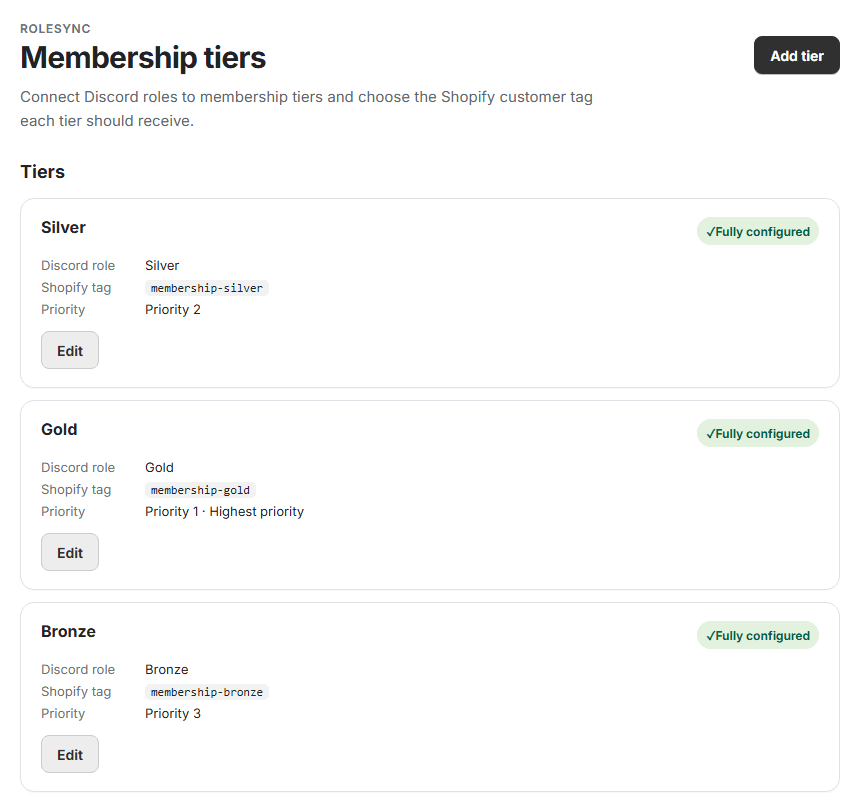
A Shopify app that ties member discounts to verified Discord roles.
Case study 3 of 5. Up next: RoleSync.
Featured build
Live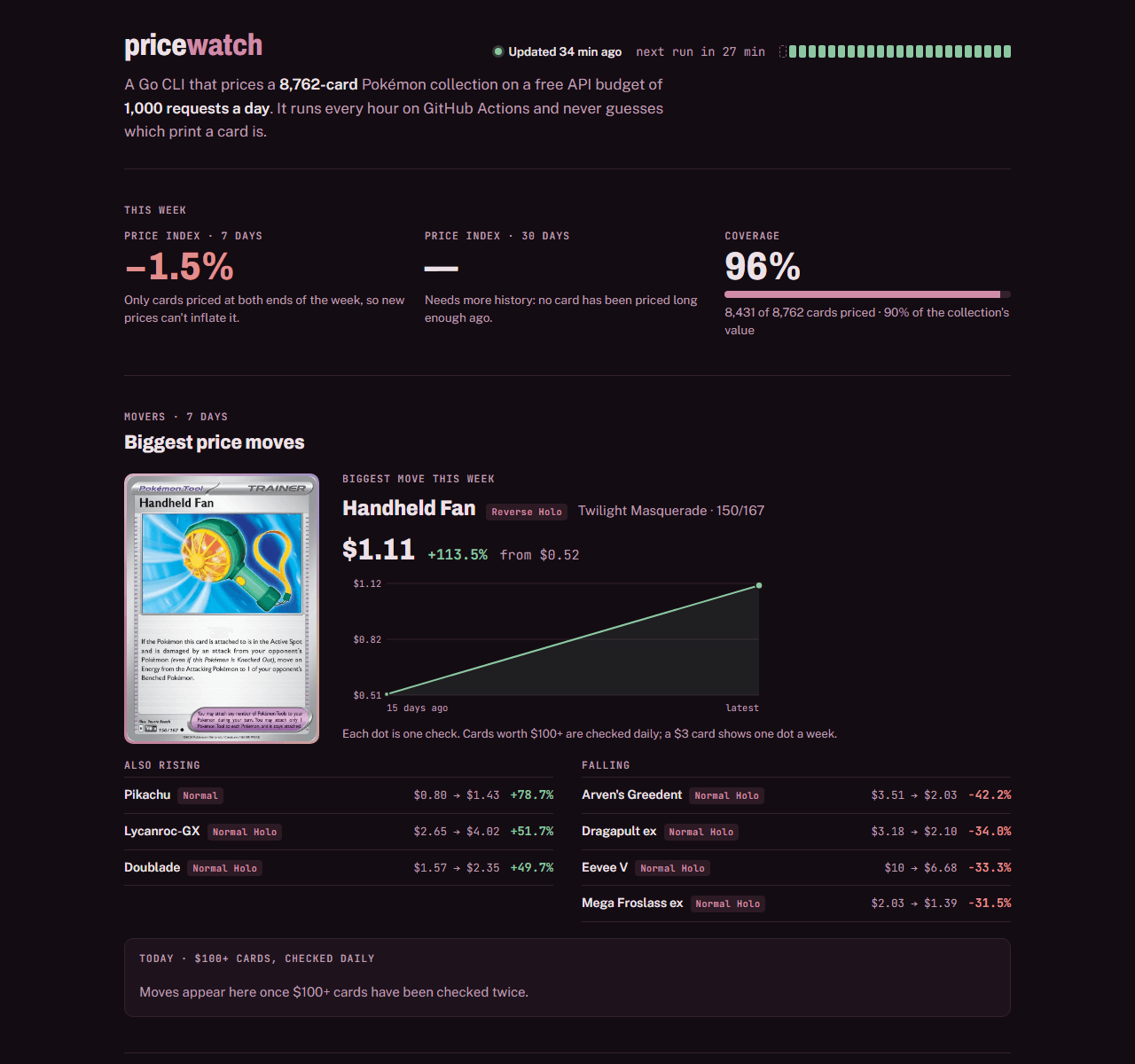
A Go CLI that prices an 8,800-card collection on 1,000 API requests a day.